Table of Contents
Key Takeaways
- Selecting the correct ANSI/BHMA grade, rather than the lowest-priced lock, decides how well a commercial opening withstands daily wear and break-in attempts.
- Commercial lock grades are ANSI and BHMA durability ratings, so checking the grade on a lockset is the quickest way to confirm it can handle a given door’s daily traffic and security demands.
- When a lock’s ANSI/BHMA grade is lower than the door’s real traffic and threat level, sagging levers, incomplete bolt throws, binding keys, and repeat service calls are the early warning signs to act on.
- Because ANSI and BHMA grading reflects cycle, strength, and finish testing, choosing a Grade 1 lockset for busy or high-value openings buys durability that lighter grades cannot match.
Commercial lock grades explained refers to the ANSI/BHMA classification system that ranks door locks and latches as Grade 1, Grade 2, or Grade 3 according to the cycle, strength, and durability tests each lockset must pass before it belongs on a business entrance. For owners and facility managers protecting people, inventory, and sensitive rooms, that grade number is more than a spec sheet detail: it signals how well a lock resists constant daily use and forced entry. Professional facility specifications reflect this, calling for Grade 1 locksets on exterior doors and other secured rooms. This guide breaks down what each grade means, where each one belongs, and how the right commercial locks fit into a complete commercial security plan.
What Do Commercial Lock Grades Actually Mean?
The grading system starts with a standard: locks sold for business use are rated by the American National Standards Institute (ANSI) and the Builders Hardware Manufacturers Association (BHMA) according to how much stress they endure. These grades, ranked from the most durable to the least, measure cycle life, strength, and operational reliability under repeated use. Why does this matter? A retail entrance, a stairwell door, and a supply closet do not face the same demands, and the grade printed on a lockset is your fastest signal of whether it is built for the job. According to the A156.2 Locks and Latches standard, Grade 1 locks must pass one million cycles of opening and closing with a ten pound axial load applied, a benchmark that separates heavy-duty commercial hardware from lighter residential products. For business owners, this is not academic. Choosing the wrong grade can mean premature failure, security gaps, and repeat service calls, all costly when a door protects inventory, employees, or cash. That is where a partner like Commercial Safe & Lock proves its value by matching the right grade to each opening. Whether you are outfitting a new location or replacing failed components, our commercial door and hardware services and expert door installation and repair help translate these grades into practical decisions. Understanding these ratings protects your investment and your peace of mind.
Why Do Commercial Locks Fail Early?
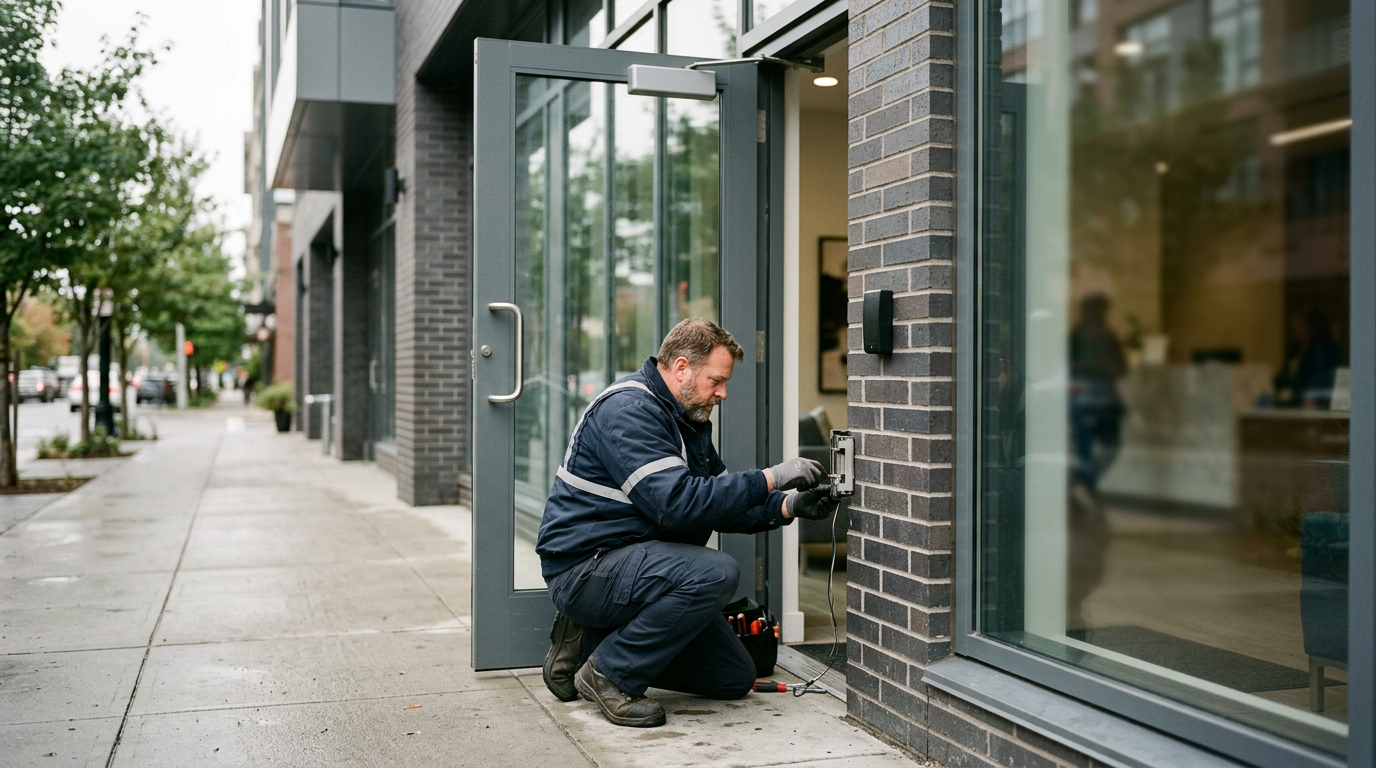
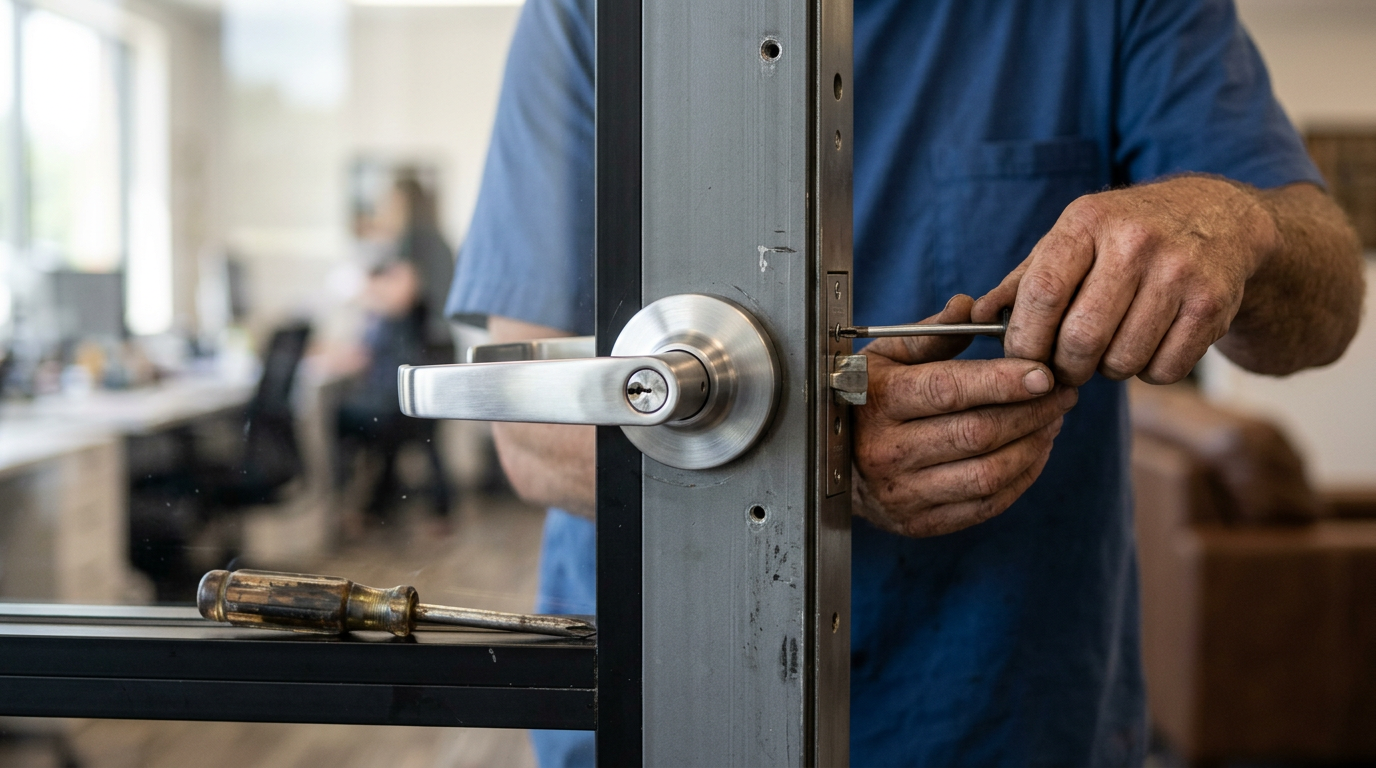
Commercial locks fail early when the installed grade does not match the door’s daily traffic and threat level. Worn latches, loose levers, sticking cylinders, and mismatched hardware are the leading warning signs, and understanding these grades helps you spot a lock rated below what your entrance actually demands. High-cycle openings, such as retail entrances and employee doors, absorb thousands of operations, so a lower-grade lockset installed on a heavy-use door often loosens, drags, or breaks long before a properly rated one would. Federal standards recognize this reality: federal door hardware guidance for defense commissary facilities specifies Grade 1 locksets at exterior doors, administration offices, and cashier areas, where security demands are highest. When your hardware is under-graded, you may notice a lever that sags, a bolt that no longer throws fully, a key that binds, or a latch that rattles in the strike. At Commercial Safe & Lock, we often see businesses across St. Louis, Missouri, St. Louis County, Missouri, and St. Charles County, Missouri discover these problems only after a break-in attempt or a failed inspection. Our certified technicians diagnose whether a lock is simply worn or was under-specified from the start, then recommend the correct grade for the opening. Cash-handling and vault areas warrant particular attention, which is why our bank equipment security services address the elevated standards financial branches require. Recurring service calls on the same door are another red flag, often pointing to an opening that was never matched to its grade, and our guidance on garage door maintenance explains how misalignment accelerates hardware wear. Recognizing these signs early keeps a small hardware issue from becoming an emergency lockout or a forced-entry loss.
Why Does Cycle Rating Matter Most?
Cycle rating matters most because it defines how many open-close operations a lock survives before wearing out. Grade 1 locksets endure the highest cycle counts, so installing them on high-traffic doors prevents the premature loosening and latch failure that lower grades show under constant use. Matching the grade to real daily volume is the single clearest predictor of how long your hardware lasts.
How Do You Audit Existing Locks?
Start with a walk-through audit: test every exterior and high-traffic door by operating the lever, throwing the bolt, and checking for play, drag, or grinding. Note the grade stamped on each lockset and compare it against the door’s use. Photograph worn strikes and loose hardware, then have a certified locksmith verify whether each opening meets its required grade. This simple inventory reveals which locks need upgrading before they fail.
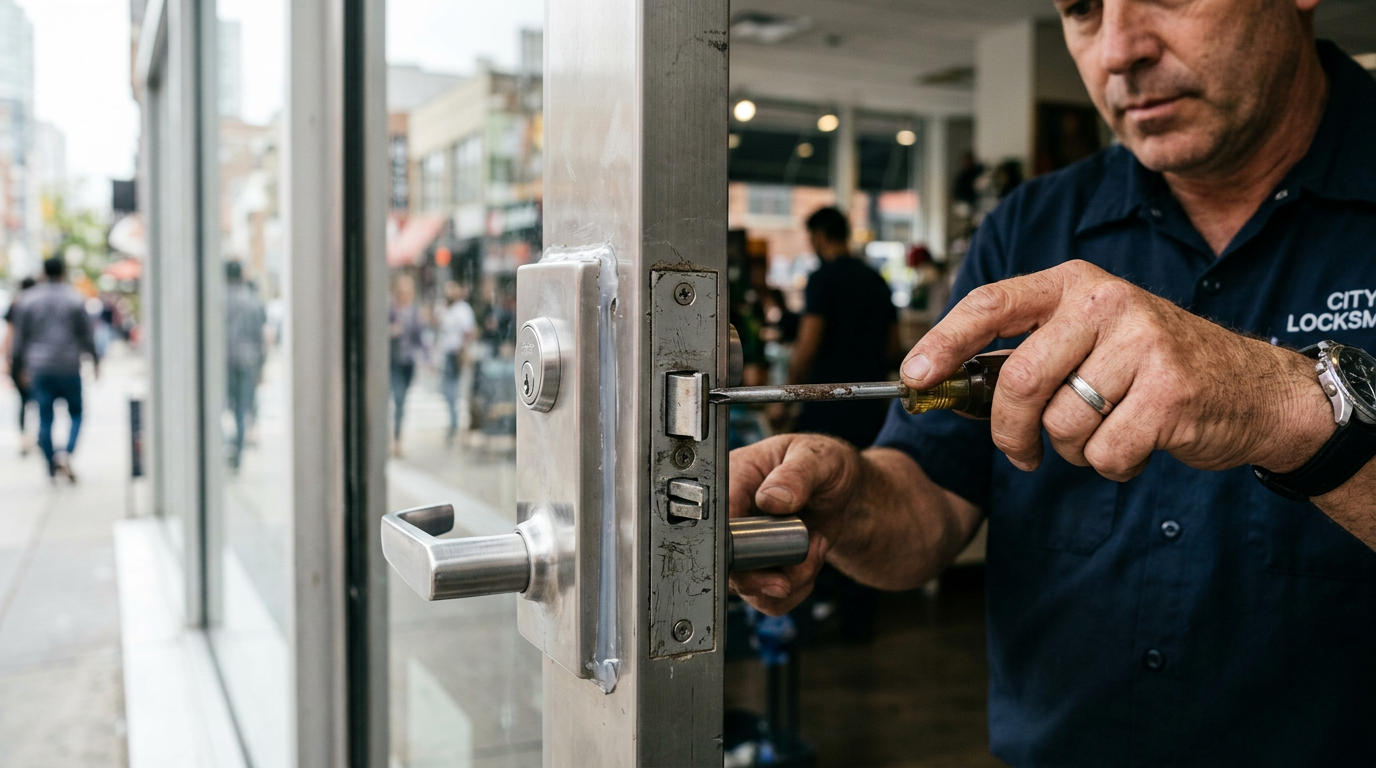
- Levers that sag, spin loosely, or fail to return level after each use.
- A deadbolt or latch that no longer throws fully or catches cleanly in the strike plate.
- Keys that bind, stick, or require jiggling in the cylinder.
- Visible corrosion, pitting, or finish wear on exterior and utility-room hardware.
- Repeat service calls on the same door, signaling a lockset under-graded for its traffic.
- A grade stamp lower than the opening’s security level requires.
Rule of Thumb: Match the Grade to the Door
- Specify Grade 1 hardware on any door the public or staff use dozens of times a day — exterior entrances, high-traffic corridors, and rooms holding cash or records — and reserve lower grades for low-traffic interior openings.
- When cycle volume or security stakes are uncertain, size up: the grade should always meet or exceed the opening’s real security demand, and the cost gap is small next to the price of a lock that fails under daily commercial use.
Quick Facts
- 3 – ANSI/BHMA commercial lock grades, from Grade 1 (highest) to Grade 3
- 3/4″ – Minimum bolt throw federal guidance specifies for secure mortise storeroom locks
- 31 Years – Commercial Safe & Lock family-owned experience since 1995
- 24/7 – Emergency locksmith availability for the St. Louis metro
How Are Commercial Lock Grades Tested?
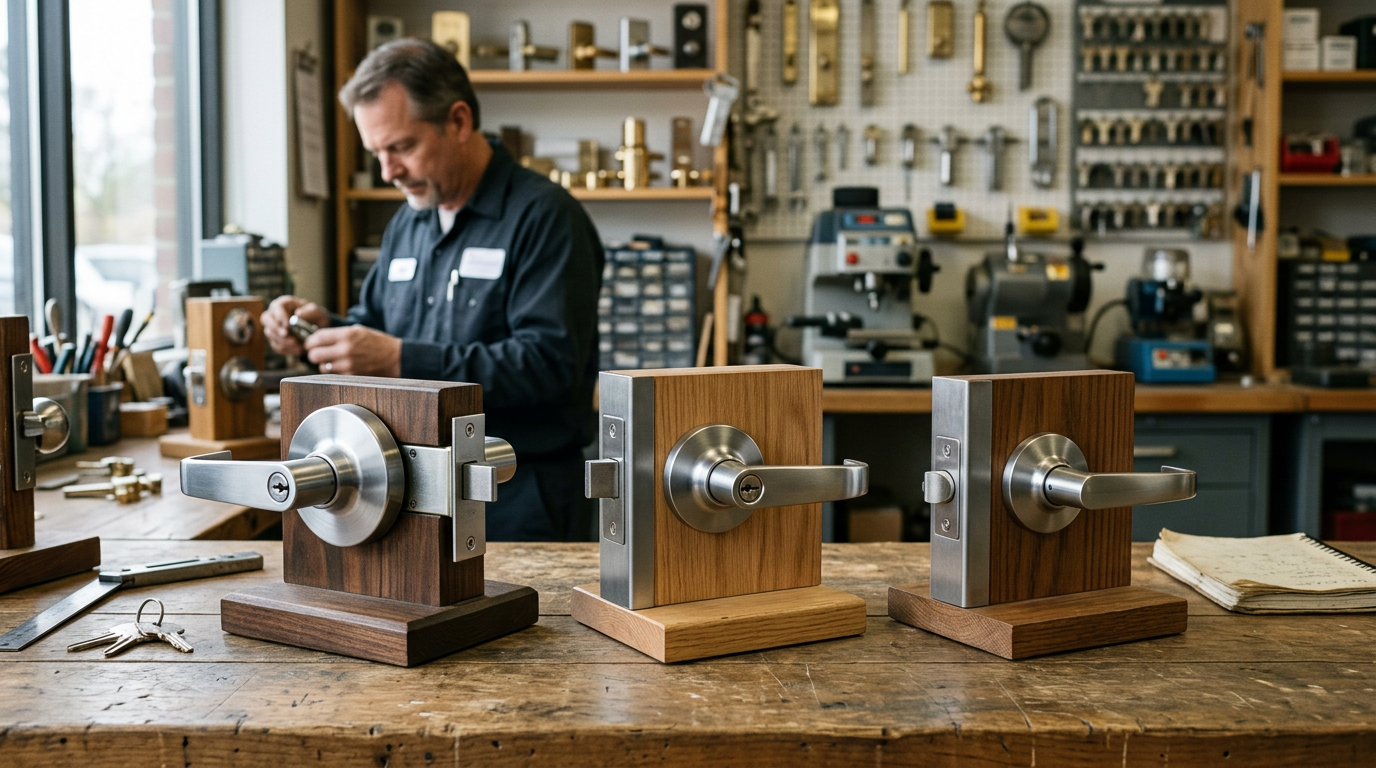
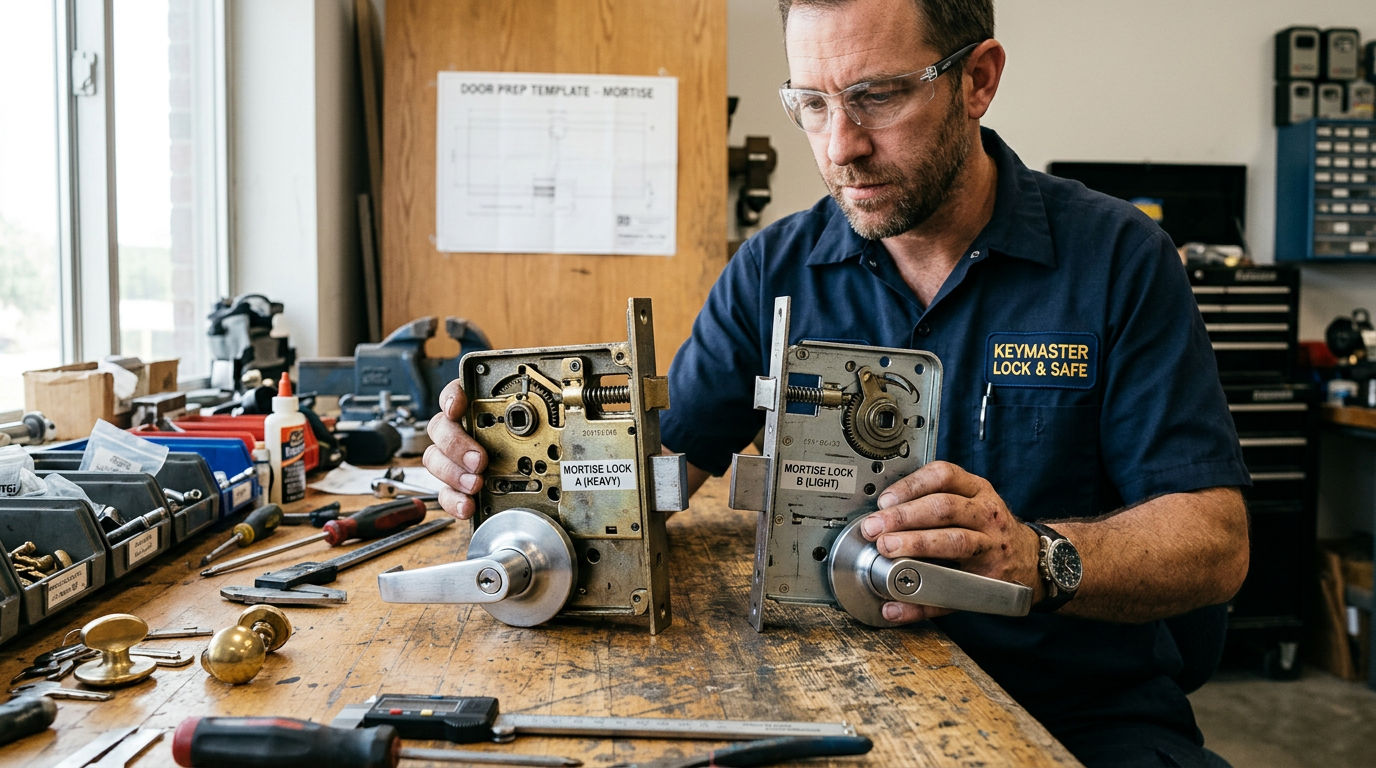
Grading comes down to standardized testing: the Builders Hardware Manufacturers Association (BHMA), working under ANSI, puts every lockset through cycle, strength, and finish trials before it earns a grade. How does that process assign a number? Independent labs run a lock through repeated open-and-close cycles, apply impact and torque loads, and evaluate how its materials and finish hold up. A product that clears the most demanding thresholds earns Grade 1, the tier built for high-traffic commercial entrances, while Grade 2 and Grade 3 mark progressively lighter-duty performance. These grades also reflect a lock’s mechanical format. Bored, or cylindrical, locks and mortise locks, the heavier units set into a pocket cut in the door edge, are evaluated under separate standards. Federal specifications show how this plays out in the field: federal commissary design guidance calls for mortise locks in storeroom function with a minimum 3/4-inch throw at its cash counting rooms. A longer bolt throw generally gives a door more resistance to forced entry, which is why sensitive spaces get the sturdier hardware. Grade also pairs with a functional classification, so industry guidance separates operational-duty locksets used at storage and utility rooms from security-duty locksets specified at exterior doors and offices. The same Grade 1 rating can therefore serve very different roles depending on where the door sits and what it protects. This is why matching a grade to an opening is not guesswork; it is a direct read of how often the door cycles, how it is used, and the value behind it. Once you see how testing and classification work together, spec sheets stop reading like jargon and start guiding real decisions. If you are weighing options for a building, the team at Commercial Safe & Lock can translate these ratings into the right hardware for each opening, and our commercial door hardware services and answers to common questions can help you plan the correct grade for every door.
What Lock Grade Options Fit Your Business?
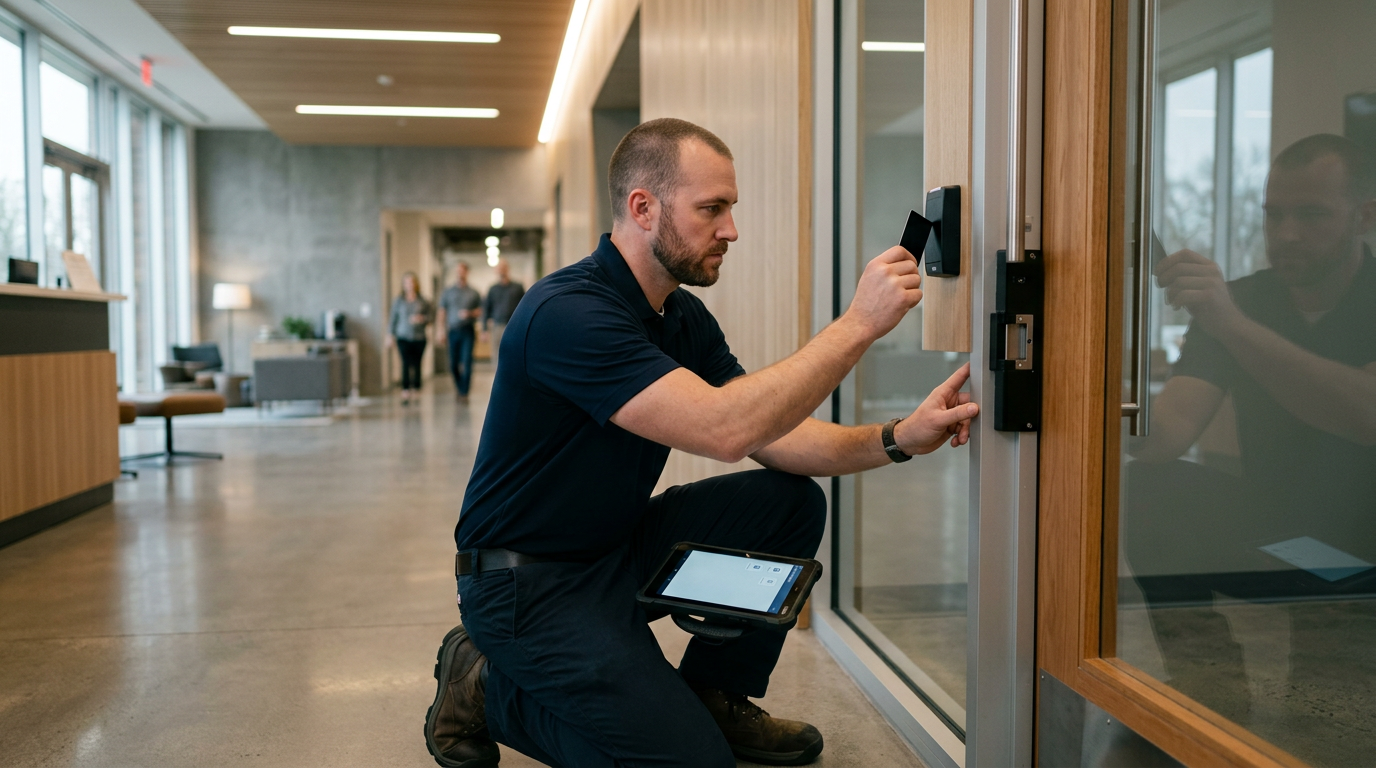
Choose among three mechanical performance tiers, then match each opening to a mortise, bored cylindrical, or electronic platform suited to its traffic and risk. That balance sits at the center of grade selection, because the highest rating rarely belongs on every door. A Grade 1 lock earns its premium at exterior and main entries: according to the Construction Specifier, a Grade 1 mortise lock must withstand 1,000,000 cycles in a cycle test, while Grades 2 and 3 require 800,000 cycles. For lighter interior traffic, a Grade 2 lockset delivers dependable service at a lower cost, so paying for Grade 1 everywhere wastes budget. Format matters too. Mortise locks carry a deeper bolt and heavier chassis for cash rooms and communications closets, while bored cylindrical locks install faster in standard offices. Electronic access control adds a third path, layering credentials and audit trails over a mechanical body that still must meet a graded standard. Weighing these grades against the formats is where an experienced provider earns its keep. Commercial Safe & Lock, drawing on decades of family-owned field work and end-to-end security solutions, specifies the right tier and format per door rather than a one-size answer. Ready to compare options? Request a free quote and get a plan with no surprises.
How Do You Verify a Lock’s Grade?
Confirm the grade, function, and code compliance on the product spec before you buy, then match each opening to its use. For accessible routes, choose lever hardware: the ADA National Network notes door hardware must not require more than 5 lbs. of force to operate and must be operable with one hand without tight grasping. For a cash or communications room, specify a mortise lock with storeroom function and a minimum 3/4-inch throw, as DeCA hardware guidance requires.
|
Lock Option / Standard |
Key Spec (Figure) |
Best For |
Trade-off or Note |
|---|---|---|---|
|
Grade 1 lock (ANSI/BHMA A156.2) |
1,000,000 test cycles |
Exterior and main entries |
Highest durability; top cost per lock |
|
Grade 2 or 3 lock (ANSI/BHMA A156.2) |
800,000 test cycles |
Lighter interior, light-commercial doors |
Lower cost, fewer rated cycles |
|
Mortise, storeroom function |
3/4-inch minimum bolt throw |
Cash rooms, communications closets |
Deeper bolt engagement per DeCA guidance |
|
ADA lever hardware |
5 lbs. maximum operating force |
Accessible routes, public entrances |
Levers comply, round knobs do not |
Secure Your Business the Right Way
Choosing the right commercial lock grade is simpler with a one-stop partner for locks, doors, and advanced security systems. At Commercial Safe & Lock, our certified technicians have delivered properly fixed, no-surprise solutions since 1995, backed by 24/7 emergency service. Get your free quote and put our experienced, family-owned team to work matching the right hardware to your building.
Frequently Asked Questions
What are commercial lock grades?
Commercial lock grades are performance ratings set by the ANSI and BHMA standards, which sort locks into Grade 1, Grade 2, and Grade 3 based on cycle testing, strength, and finish durability. Put simply: Grade 1 is the most rigorous and built for demanding business use, while Grade 3 meets basic residential needs.
Which lock grade is best for a commercial building?
Grade 1 is generally the best choice for main commercial entrances and other high-traffic openings because it is tested to the highest durability level. Grade 2 can be appropriate for lighter-duty interior doors, and many businesses mix grades based on how hard each door works. A specialist can help you match each opening to the right grade.
Do commercial lock grades apply to homes?
Yes. The same ANSI and BHMA grading applies to residential hardware, so homeowners are not limited to entry-level locks. If you want stronger protection, you can pursue a home security upgrade using higher-grade locks that carry the same durability testing found on commercial hardware.
How do lock grades relate to accessibility rules?
Grades measure durability and strength, not accessibility, which is governed separately. For example, a campus door hardware standard requires operating devices that do not need tight grasping, pinching, or twisting and that work with no more than 5 pounds of force, so lever handles are common on accessible commercial doors regardless of grade.
How do I choose the right commercial lock grade?
Start by considering the door’s traffic, security level, and any code or insurance requirements, then weigh those against your budget. Because the right grade varies by opening, professional guidance helps. The team at Commercial Safe and Lock can assess your doors and recommend the correct grade; contact our team to get started.